I made the mistake of bleaching and dyeing my hair pink on the exact same day once, mostly because I was impatient and didn’t want to wait around for a whole week between salon appointments. The color turned out fine initially, but within two washes it had faded to a washed out, patchy version of what I wanted, and my hair felt noticeably rougher than it had before. That experience taught me more about the actual relationship between bleaching and pink dye than any tutorial had.
The short answer to whether you can dye pink after bleaching is yes, that’s actually the standard process for most pink shades. The real question is how you do it, how much time you give your hair between steps, and whether your hair is actually ready for that second chemical process right after the first one.
Why Bleaching Comes First
Pink dye, especially the vivid or pastel shades people usually want, needs a very light base to show up correctly. Natural hair colors, even medium browns, will muddy or completely swallow most pink dyes without bleaching first.
How Light Does Your Hair Actually Need to Be
For a true pastel pink, your hair generally needs to be lifted to a pale yellow or close to platinum. If you’re going for something bolder like hot pink or fuchsia, you have slightly more room, since deeper pink pigments have more strength to show up even on a level 8 or 9 blonde rather than pure white blonde.
If your hair lifts to a brassy or orange-yellow tone rather than pale yellow, which happens often with naturally darker hair, you’ll want to tone it before applying pink. Skipping this step is one of the most common reasons pink dye comes out looking more orange or salmon than the clear pink shown on the box.
Should You Dye the Same Day You Bleach?
This is where a lot of people run into trouble, myself included that first time. Bleaching is genuinely hard on your hair’s structure, it opens the cuticle and strips both pigment and a fair amount of natural moisture and protein in the process. Going straight into another chemical process, even a gentler semi-permanent dye, on hair that’s just been through that is asking a lot of it.
What I’d Actually Recommend
If your hair was already reasonably healthy going into the bleach and only needed one session to lift enough, dyeing the same day is usually fine, since semi-permanent pink dyes aren’t nearly as harsh as another round of bleach or a permanent color would be.
If you needed multiple bleach sessions, or your hair felt rough, dry, or stretchy immediately after bleaching, give it at least a few days, ideally a week, with proper deep conditioning in between. Your hair will hold the pink better and the color itself tends to look more even on hair that isn’t still in a compromised state from back to back chemical processing.
A Quick Check Before You Dye
Gently stretch a small section of damp hair. If it feels overly elastic and doesn’t spring back, or if you notice a lot of breakage just from finger combing, that’s a sign your hair needs a break and some strengthening treatment before you add pink dye on top.
Choosing a Pink That Actually Works for Your Base
Not every pink shade behaves the same way, and picking the right one for your specific hair after bleaching makes a real difference in how the final color looks.
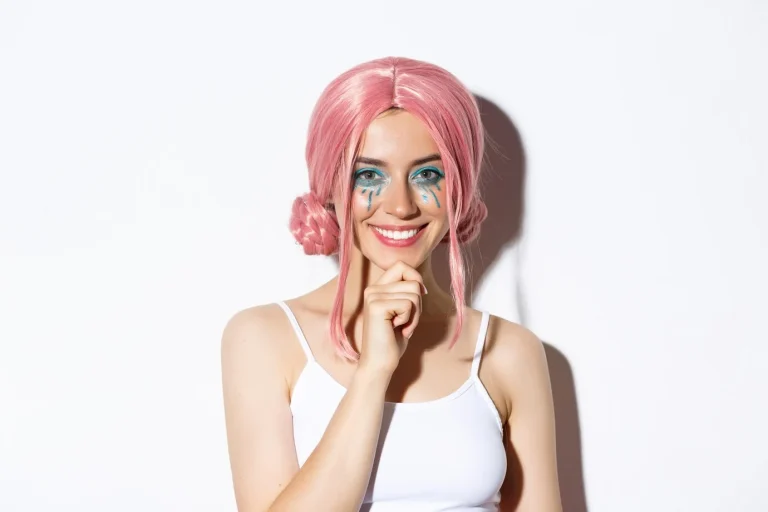
Pastel pink needs the lightest base, close to platinum, and gives a soft, almost whisper-quiet color that fades gently rather than dramatically over time.
Bubblegum pink sits a shade or two more saturated than pastel and still wants very light blonde hair underneath to look clean rather than muddy.
Hot pink or fuchsia has enough pigment strength to show up well even on a slightly less lifted blonde, making it more forgiving if your hair didn’t lift to pure platinum.
Rose gold or dusty pink leans warmer and more muted, and actually looks intentional even with a slightly yellow or golden base underneath, which makes it a good option if you’re not keen on toning.
If you genuinely aren’t sure which shade will suit you, a semi-permanent dye is the lowest commitment way to test it out, since most fade within four to six weeks rather than sticking around for months.
Getting Your Hair Ready to Actually Hold the Color
Bleached hair is porous, which sounds like a good thing for absorbing color and in some ways it is, but overly porous hair can also grab dye unevenly and release it just as fast.
In the days leading up to dyeing, focus on hydration specifically rather than just any deep conditioning treatment. A mask with real moisture, not just protein, helps balance out the dryness bleach leaves behind and gives the pink dye a more even surface to bond with.
Cut back on heat styling entirely if you can manage it for the week before dyeing. Every pass of a flat iron or curling wand on freshly bleached hair adds more stress to hair that’s already had a rough week chemically.
Switching to a sulfate-free shampoo before you even get to the dyeing step matters more than people expect. Regular shampoos with sulfates can start stripping moisture and mild color even before you’ve applied your actual pink dye.
Applying the Dye
Once your hair is prepped and you’ve decided on timing, the actual application process is fairly straightforward if you take it section by section.
Wash your hair 24 to 48 hours before dyeing, without conditioner on that final wash, since conditioner can create a barrier that makes it harder for dye to fully saturate each strand.
Divide your hair into manageable sections, four is usually enough for shorter hair, six or more if your hair is thick or long, to make sure you’re not missing any patches.
Apply the dye generously with gloved hands or a tint brush, working from roots to ends and making sure every section is fully saturated rather than just lightly coated.
Follow the timing on your specific dye, most semi-permanent pink formulas need somewhere between 20 and 40 minutes to develop fully.
Rinse with cool water only, skip shampoo entirely on this first rinse, since it can strip out a noticeable amount of the color you just applied.
Keeping Pink Hair From Fading Too Fast
Pink is genuinely one of the higher maintenance colors to keep vibrant, mostly because the pigment molecules are smaller than something like blue or purple and wash out faster.
A color safe, sulfate-free shampoo isn’t optional if you want the color to last. Regular shampoos will visibly strip pink within just a handful of washes.
Washing with cool or lukewarm water rather than hot keeps the hair cuticle more closed, which slows down how quickly color escapes with each wash.
Mixing a small amount of your pink dye directly into your regular conditioner and using it once or twice a week works as a gentle color refresh between full dye sessions, and it’s genuinely one of the more effective low effort tricks for extending vibrancy.
Heat styling dulls color faster than most people realize, so if you do use hot tools, a proper heat protectant spray specifically formulated for color treated hair is worth the extra step.
Mistakes That Ruin the Color Fastest
Skipping toner when your hair lifted brassy is probably the single most common mistake, since it leads directly to an orange or salmon tinted pink rather than the clean shade you were expecting.
Washing too frequently, especially in the first week after dyeing, accelerates fading dramatically. If you can stretch washes with dry shampoo for the first several days, the color holds noticeably longer.
Using the wrong aftercare products, particularly anything with sulfates or high alcohol content, actively works against you no matter how well you applied the dye initially.
Final Thoughts
Dyeing your hair pink after bleaching is a completely standard process, it’s really how most people achieve the color in the first place. The part that actually determines whether you end up happy with the result or dealing with patchy, fast fading color comes down to how healthy your hair was going into the bleach, how much recovery time you give it if needed, and how consistently you care for it once the pink is in.
If your hair needed more than one round of bleach to lift, don’t rush straight into dyeing. A few days of real hydration treatment makes a genuine difference in both how the color takes and how your hair feels afterward. For anyone dealing with hair that’s already a bit stressed from previous color work, it’s worth reading through some tips on removing residual bleach buildup before starting a new color process, since starting from a cleaner base always gives better results.
Pink hair takes a bit more upkeep than most colors, but the payoff is worth it for a lot of people. Go in with realistic expectations about maintenance, prep your hair properly beforehand, and the color itself is honestly one of the more fun and expressive options out there.